
在京都,時間不是被管理,而是被尊重
京都並不是一座急於表現的城市。
在這裡,時間從不被催促,它只是在被理解。
沿著鴨川一帶的靜巷前行,一棟低調的町家靜靜佇立。沒有顯眼招牌,只有一盞柔和的行燈——那便是「一之船入」。
這不是一間以話題、聲量或速度為目標的餐廳,而是一個讓「時間回到料理」的所在。
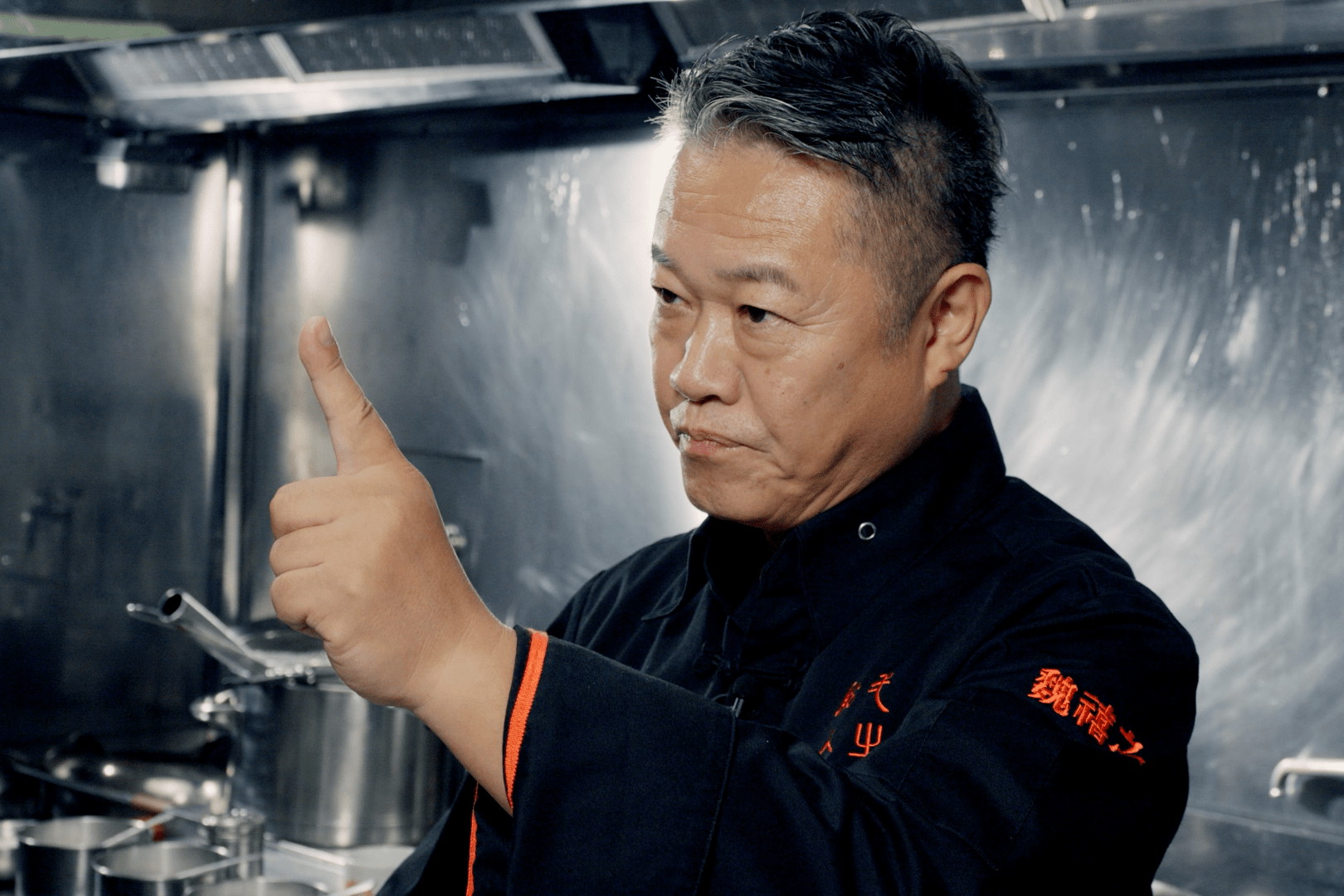
站在這個空間中心的人,是魏禧之。
他不是典型意義上的「明星主廚」。在京都,他更像是一位守門人——守住節氣、倫理、人與土地之間的微妙秩序。
In Kyoto, Time Is Not Managed — It Is Respected
Kyoto is not a city that seeks attention.
Here, time is never rushed — it is quietly understood.
Tucked away along a serene lane near the Kamo River stands a discreet machiya townhouse. No flamboyant signage, only a softly glowing lantern — this is Ichinofunairi.
It is not a restaurant driven by trends, exposure, or speed, but a place where time is gently returned to cuisine.
At the heart of this space stands Wei Hsi-Chih — not a celebrity chef in the conventional sense, but a quiet custodian of rhythm, ethics, and the delicate balance between land, season, and human life.
⸻
成為料理人之前,他先成為京都人
魏禧之的料理之路,並非從「名校」或「頭銜」開始,而是從京都的日常生活展開。
年輕時期的他,長時間浸潤於京都的社區結構中——
町內會、地方節慶、傳統產業後援組織、料理研究社團。
這些場域並非履歷上的裝飾,而是他理解「京都料理為何存在」的根本。
「你如果不理解京都人如何過一年四季,
就不可能理解懷石料理為什麼只做這麼一點點。」
Before Becoming a Chef, He Became a Kyotoite
Wei’s culinary path did not begin with prestigious schools or lofty titles.
It began with everyday life in Kyoto.
In his formative years, he immersed himself deeply in the city’s social fabric — neighborhood associations, seasonal festivals, traditional industry support groups, and closed culinary study circles.
These were not résumé embellishments, but the foundation through which he learned why Kyoto cuisine exists.
“If you don’t understand how Kyoto people live through the seasons,
you will never understand why kaiseki serves so little.”
⸻

一之船入的誕生:不是創業,而是承接
「一之船入」原是鴨川船運文化中的用語,意指「第一艘靠岸卸貨的船」。
魏禧之選擇這個名字,並非浪漫,而是責任。
「京都不缺餐廳,
缺的是願意承接『不賺快錢』這件事的人。」
餐廳空間保留町家尺度,席位有限、節奏緩慢。
菜單隨節氣調整,不迎合市場趨勢,也極少主動曝光。
然而,正是這樣的克制,使一之船入逐漸成為:
· 京都文化人私下宴請的指定場所
· 學者、藝術家、建築師的非公開聚會點
· 海外文化使節低調造訪京都時的選擇
The Birth of Ichinofunairi: Not Entrepreneurship, but Inheritance
The name Ichinofunairi refers to the “first boat to dock” in Kyoto’s historic river transport system.
The choice was not poetic — it was deliberate.
“Kyoto doesn’t lack restaurants.
What it lacks are people willing to inherit restraint.”
The space retains the intimate scale of a machiya townhouse.
Seats are limited. The pace is unhurried.
Menus change with the seasons and resist market-driven trends.
This restraint has quietly made Ichinofunairi a discreet gathering place for cultural figures, scholars, artists, architects, and visiting international delegates seeking an authentic, unperformative Kyoto.
⸻
料理之外的角色:社團、公共事務與文化責任
魏禧之長年參與多個非商業性組織,包括:
· 京都料理研究會(閉鎖制成員)
· 地域飲食文化保存協議會
· 京都傳統產業支援團體(料理顧問)
· 專門學校與文化單位之評鑑、指導角色
他也經常受邀參與地方政府與文化機構的圓桌討論,議題涵蓋:
· 傳統料理在觀光壓力下的倫理
· 年輕料理人培育與職業尊嚴
· 食材供應鏈與永續問題
「料理人如果不參與公共討論,就只是技術者,不是文化的一部分。」
Beyond the Kitchen: Civic Roles and Cultural Responsibility
Despite avoiding publicity, Wei and Ichinofunairi have appeared in numerous Japanese and international cultural features.
Critics describe his work as:
“A gentle resistance to the speed economy”
“Restraint as a form of luxury”
“Cuisine that returns time to life”
One publication wrote:
“In Wei’s cuisine,the true luxury is not the ingredient,but the respect granted to time.”
⸻
他守住的不是一家店,而是一種節奏
訪談結束前,我們問他:「你希望被如何記住?」
他沉默片刻後回答:
「如果有人因為在這裡吃過一餐,開始對生活慢一點,那就夠了。」
在這個一切被加速的時代,魏禧之選擇守住節奏。
而一之船入,便是那條仍然緩緩流動的河。
What He Preserves Is Not a Restaurant, but a Rhythm
At the end of the interview, we asked how he wished to be remembered.
After a pause, he replied:
“If someone leaves here and begins to live a little slower,that is enough.”
In an accelerated world, Wei chooses rhythm.
And Ichinofunairi remains a river that flows — quietly, persistently.